01
The righting-moment foil
A curved carbon foil roughly 16 ft long and 3 ft wide, carried in a hydraulically raked case. It can lift the entire yacht clear of the water. It is among the largest foils ever designed for a sailing yacht.
Extreme H2O was not conceived by a sailor chasing tradition, but by a chemist and pilot asking a physicist’s question: how much of a 72-foot ocean catamaran can be lifted out of the water, and controlled?
Drawn from a clean sheet by Morrelli & Melvin and built in carbon by Persico Marine, PB72 is the answer.
The yachtPB72 · Principal particulars
Predicted top speed
40+kn
Velocity prediction program. In fourteen knots of breeze PB72 is predicted to sail at more than twice the speed of the wind. In early sea trials, with the foils still trimmed by hand, she has reached 39 knots.
Design & Technology
It was the first rule Morrelli & Melvin gave the project, and every decision since has answered to it. Carbon structure throughout, systems weighed to the gram. And a foil package designed not to assist the hulls, but to lift them.
01
A curved carbon foil roughly 16 ft long and 3 ft wide, carried in a hydraulically raked case. It can lift the entire yacht clear of the water. It is among the largest foils ever designed for a sailing yacht.
02
Designed and built for fly-by-wire control of the foil and T-foil rudders: an aircraft’s logic applied to a 21‑tonne catamaran. Team New Zealand engineers program it once sea trials provide the full data.
03
A separate centreline daggerboard handles leeway, freeing the lifting foil to do one job perfectly. As speed builds, the lifting foil changes rake and the daggerboard retracts. Infinitely adjustable, minimal drag.
04
Halyards run through tunnels in the structural cabin roof to a sheltered aft cockpit with four hydraulic winches. At 35 knots, nobody needs to work forward.
“This is a big bird,
but it does fly.”
Dr. Pat Benz, owner & founder
Fast, never frightening
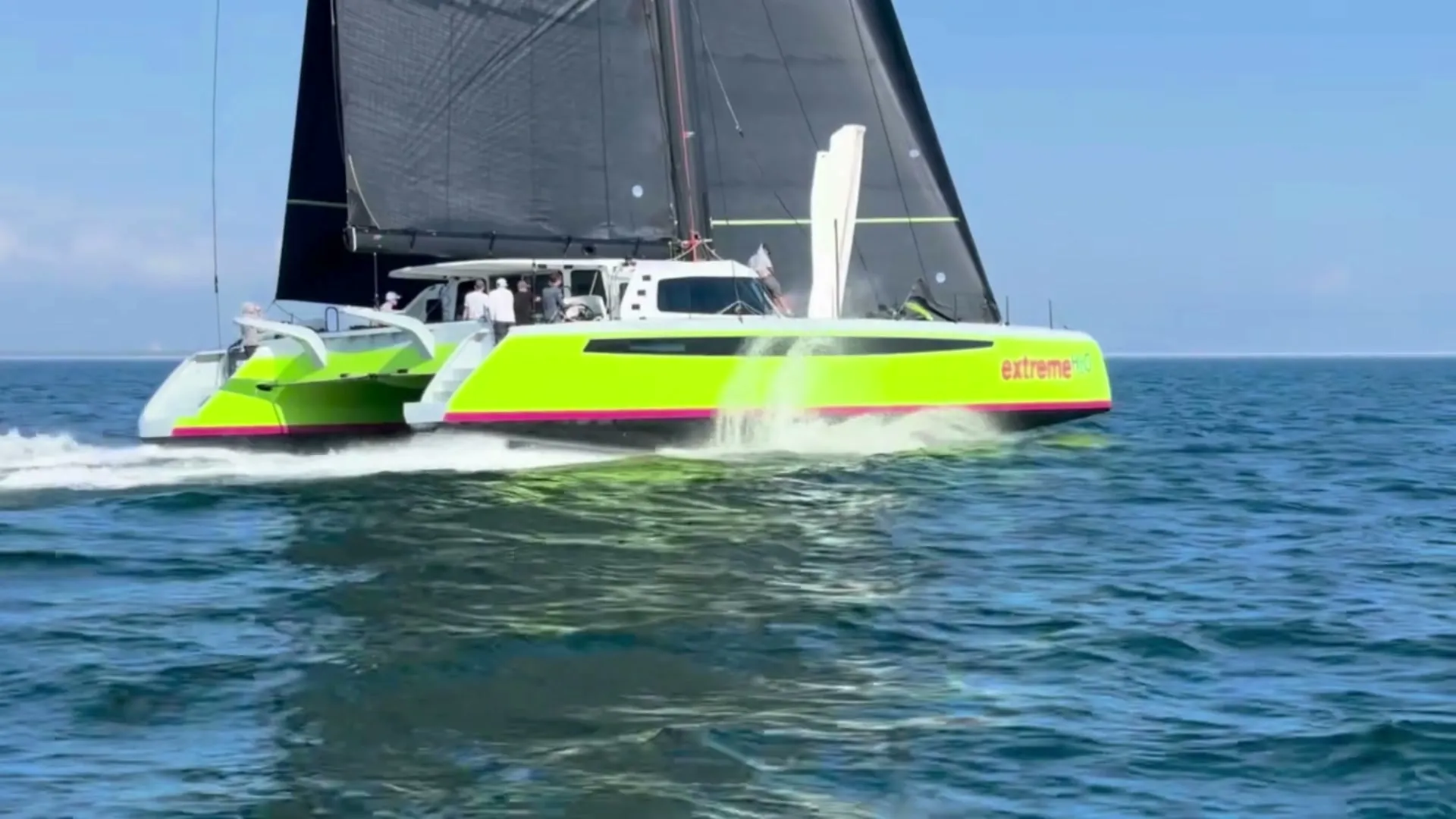
Most foiling boats fly high above the water, and when they fall off their foils the crashes are spectacular. PB72 is different. She is a skimming boat: her foil carries 80 to 90% of her weight, but she is never lifted fully clear.
She stays low to the water, so if she comes down off the foil it is a gentle re-entry, not a wipeout.
“It’s fast, but it’s not scary, because you’re never way up off the water.”Kevin Miller, lead sailorWatch her lift
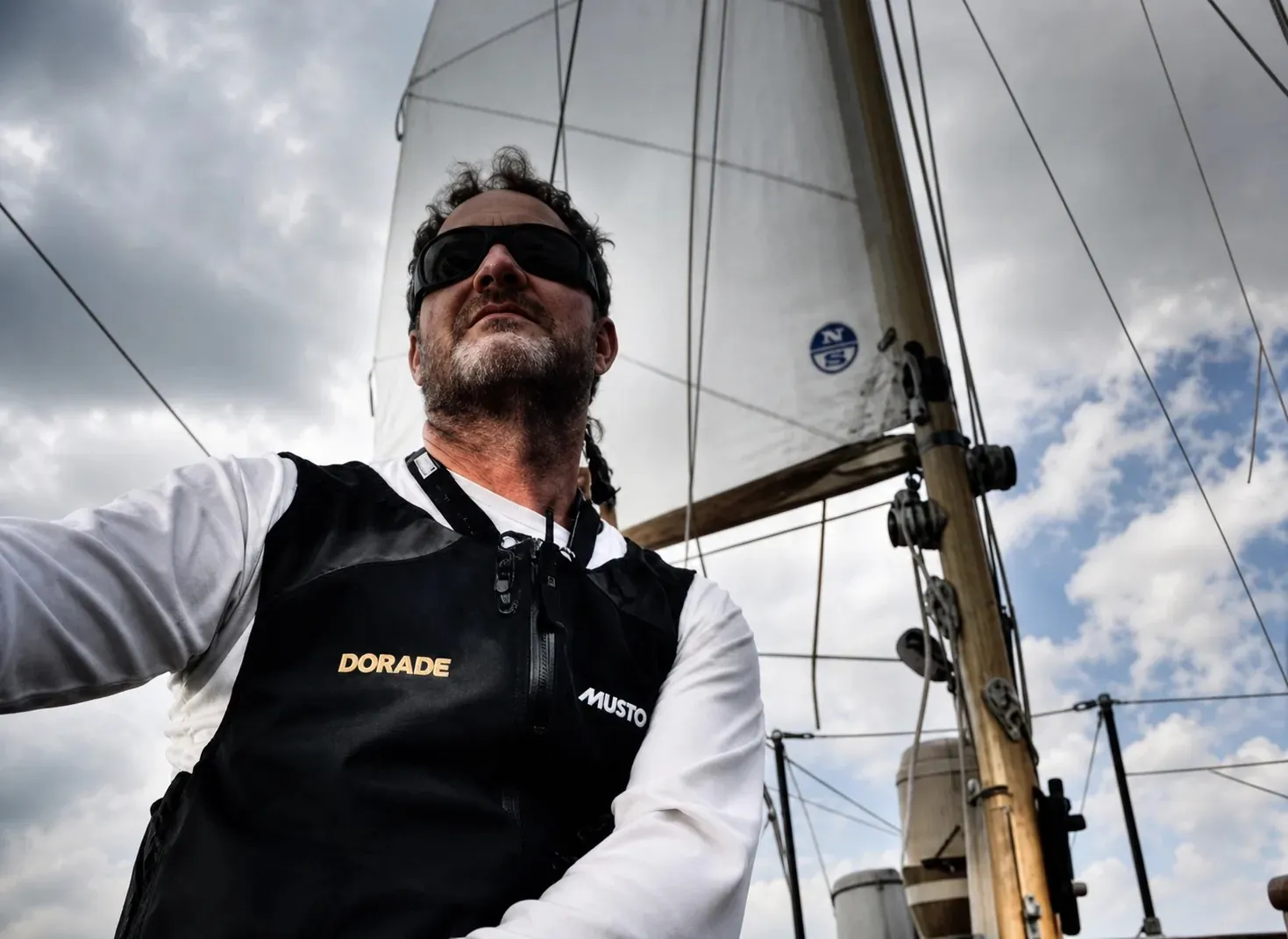
“Very experienced people are just blown away at what the boat does. It’s definitely a step forward. It’s a big step.”
Performance
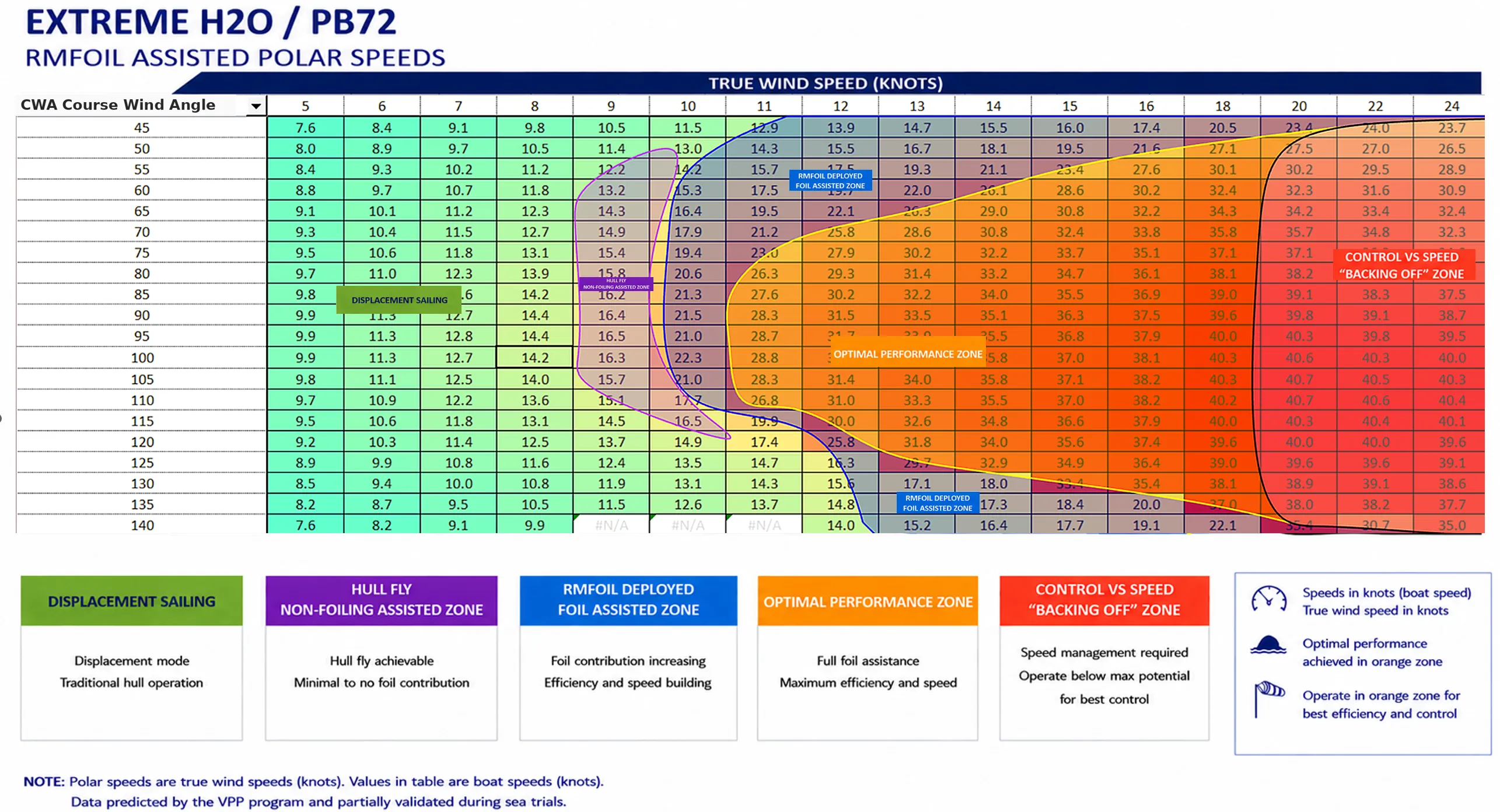
Below nine knots of breeze PB72 sails like a fast racing catamaran. Above eleven knots, the righting-moment foil takes over: at thirteen knots of true wind she reaches 24 knots upwind; at fourteen, almost 31 downwind.
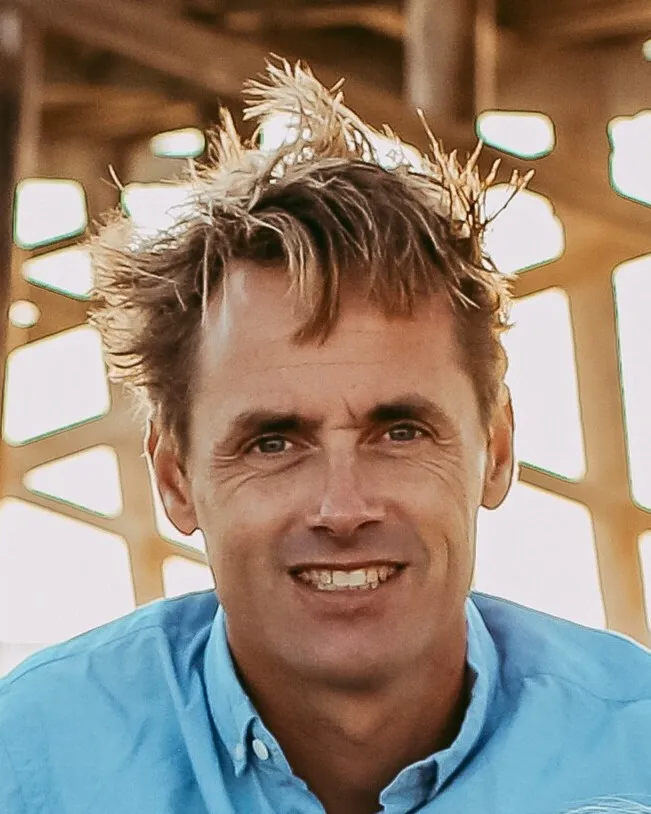
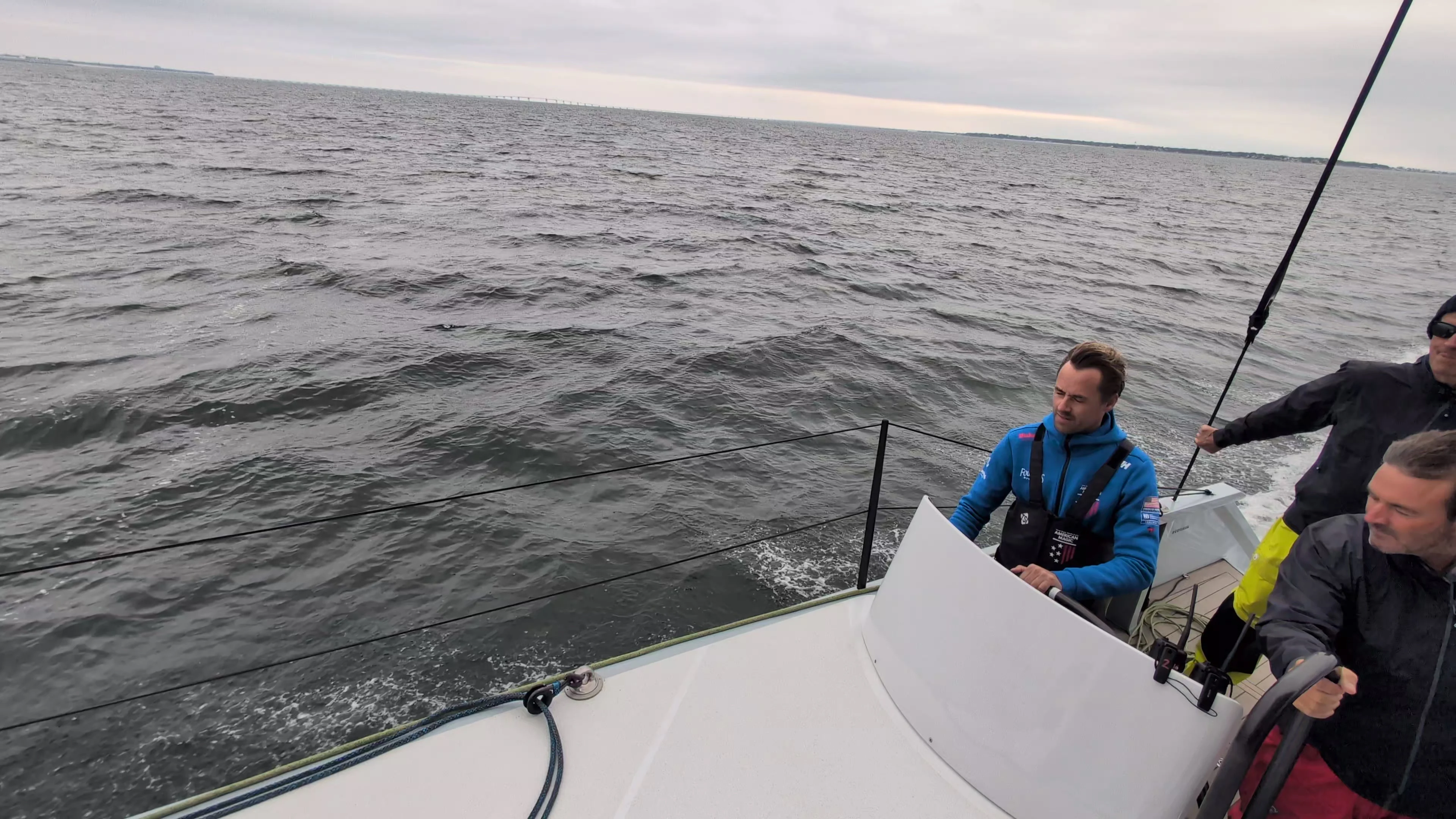
“The yacht is really living up to expectations: smooth ride, stable foiling, and speeds fully in line with our simulation predictions. Even in freezing temperatures she was comfortably holding a steady 34 knots, both hulls just skimming the water with virtually no heel with the RMFoil deployed.”
Turnkey racing program
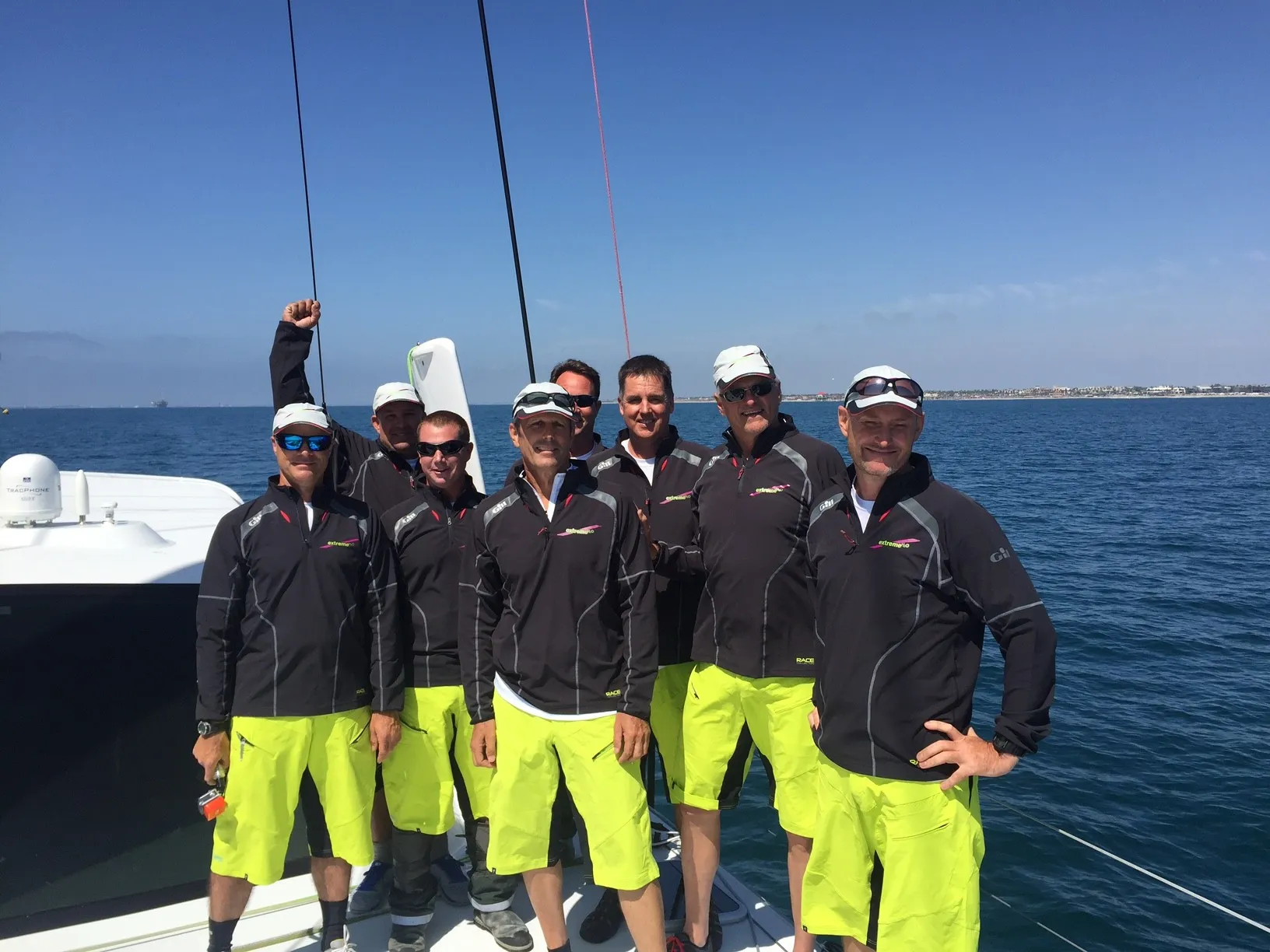
Experience grand-prix offshore racing at the very top of the sport. Once sea trials are complete, our professional team will prepare, deliver and campaign PB72, with the whole crew aboard to race. One of our experienced crew will usually helm; experienced sailors can take the wheel themselves.
In sea trials. The program begins once sea trials are complete. Partners who join now help complete them and choose the first events.
The program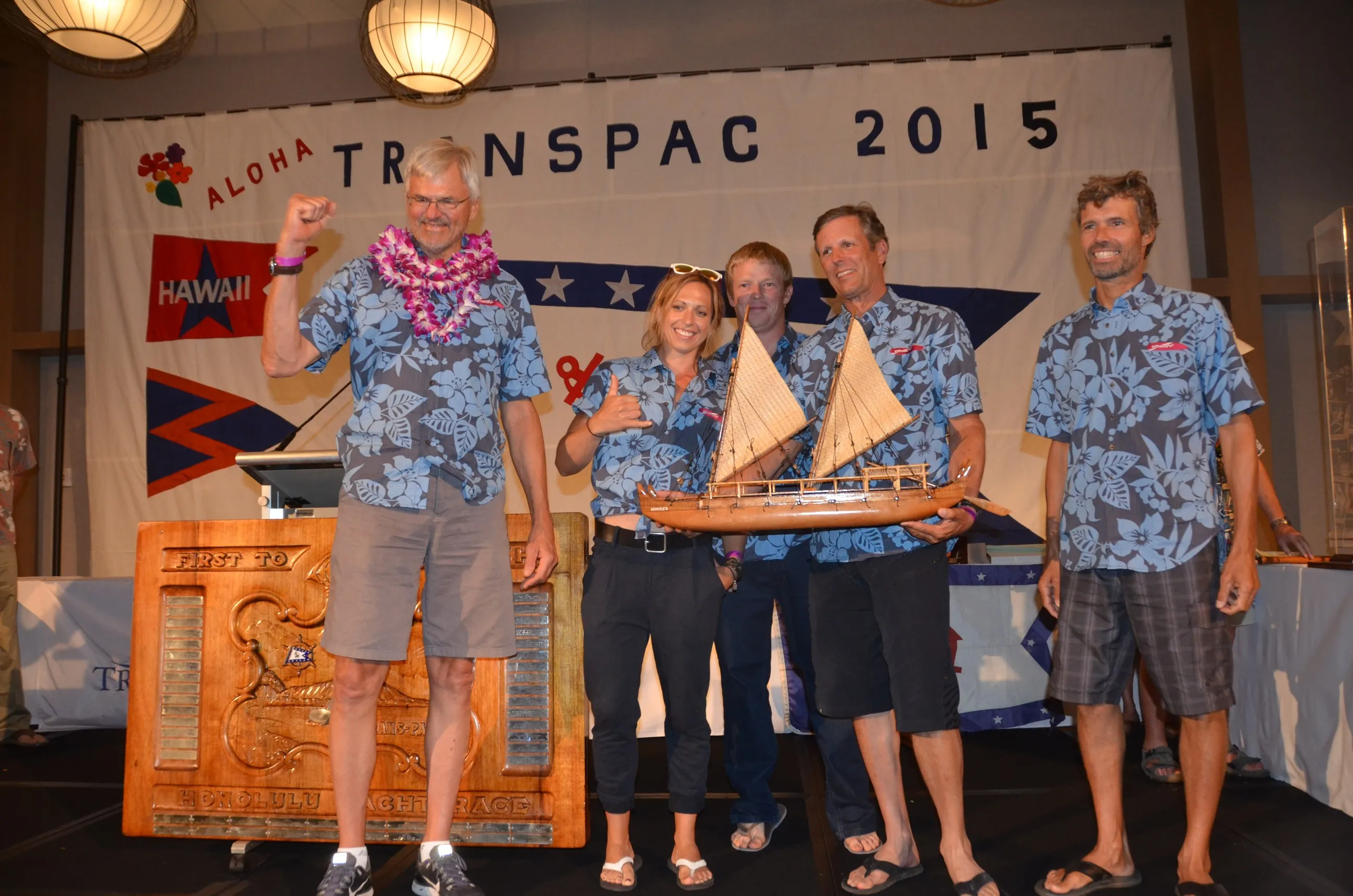
Transpac 2027 · Los Angeles → Honolulu · 2,225 nm
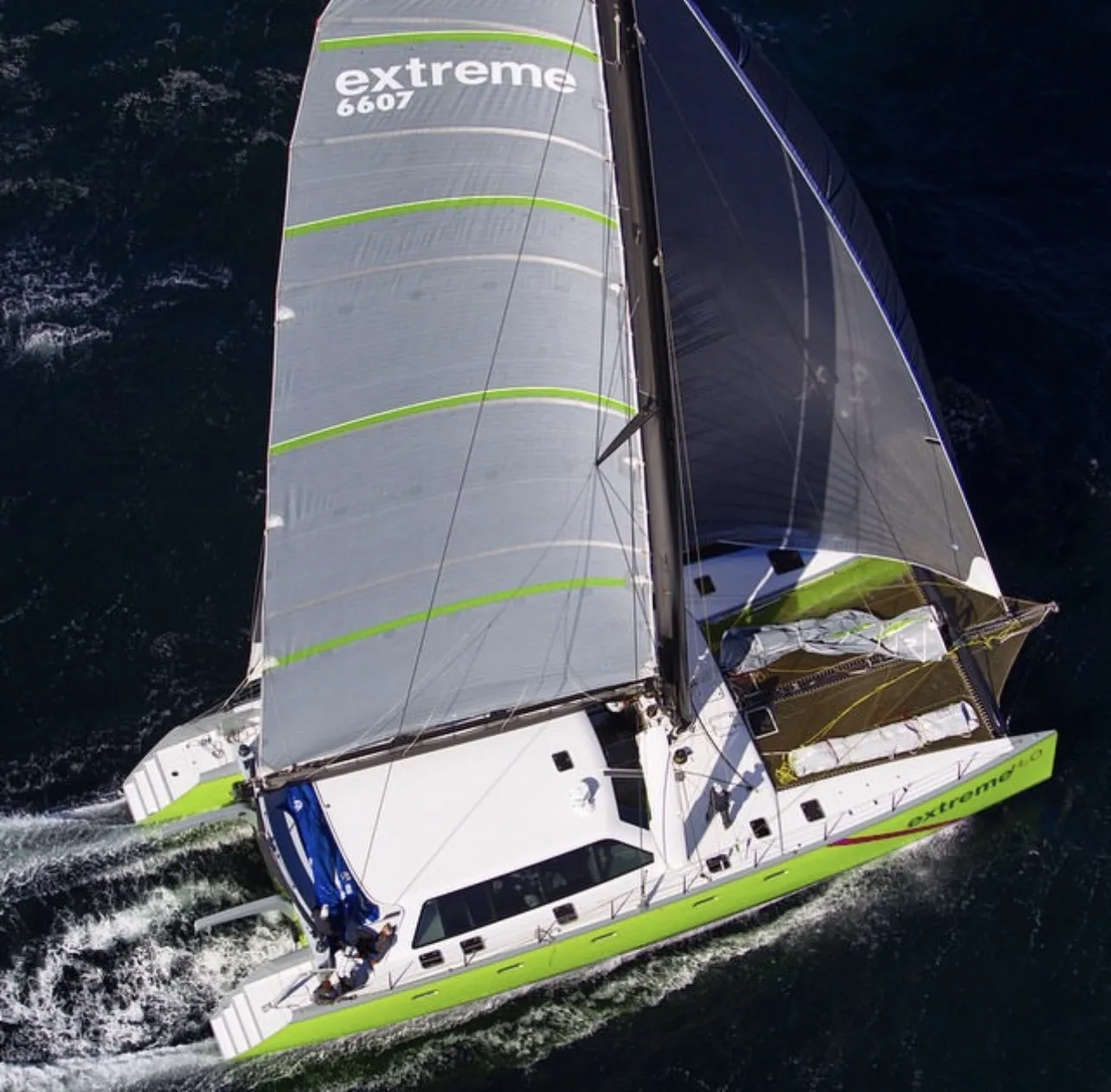
In 2015 the original Extreme H2O was the first multihull to finish and took home the Rudy Choy Trophy. Renamed Gaetana, she is still winning today. PB72 was designed to go much further. The 2027 campaign is open to the partners and owners who want to be aboard.
Transpac 2027The races in reach
Experiences
From a single day under foil to a berth in an offshore race crew, these are the experiences we are building around PB72, each sailed by our professional team. They open once her sea trials are complete.
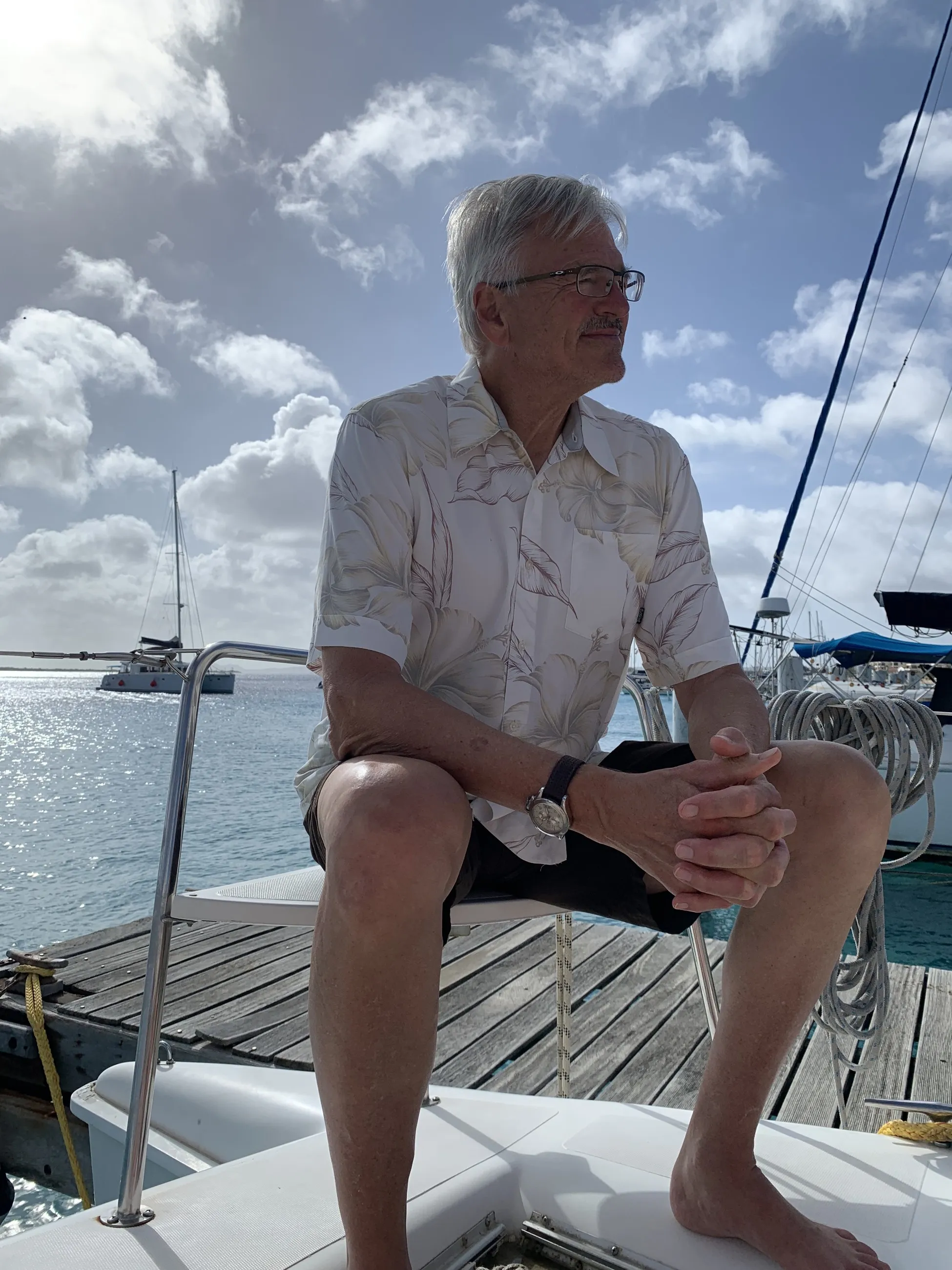
The founder
Chemist. Pilot. Inventor. Sailor. In that order.
An organic chemist by training, Patrick H. Benz, Ph.D., founded Benz Research and Development in 1983. By 1989 a third of the world’s soft contact lenses were made from its materials; by the time he sold the company in 2021, its polymers had become some 80 million intraocular lenses restoring sight to cataract patients worldwide.
He holds more than 25 U.S. and 100 foreign patents. He flies gliders, gyroplanes and seaplanes for the joy of it. PB72 is what happens when that mind turns to sailing: a yacht approached as an aerodynamics problem, with foils, flight control and fly-by-wire where tradition would put ballast and compromise.
Why “Extreme H2O”?
It was the name of his contact lens, a material that never lost water or dried out on the eye.
In his own words
From Extreme H2O to PB72
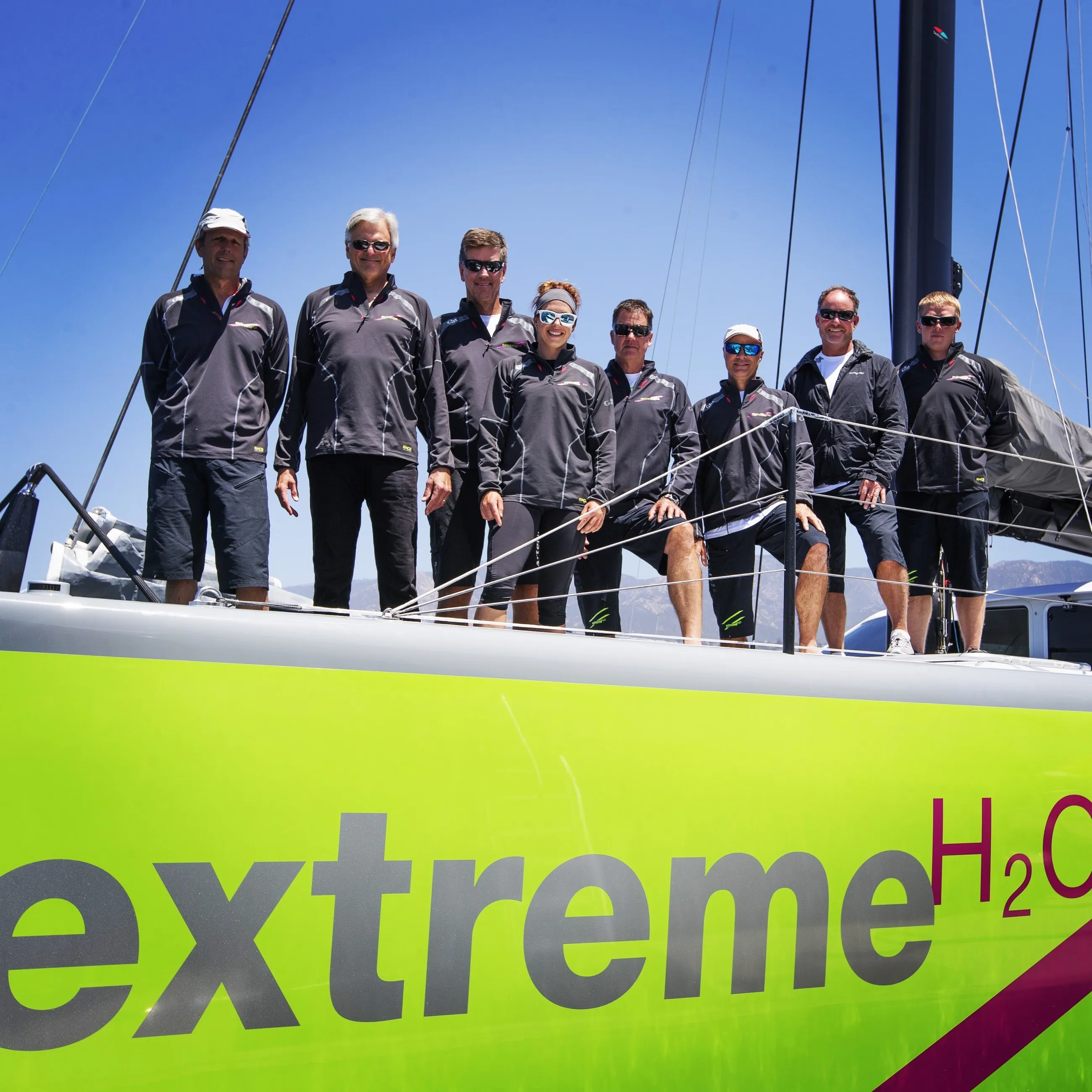
A rebuilt and re-engineered 66-ft catamaran becomes the first multihull to finish the Transpac and wins the Rudy Choy Trophy.
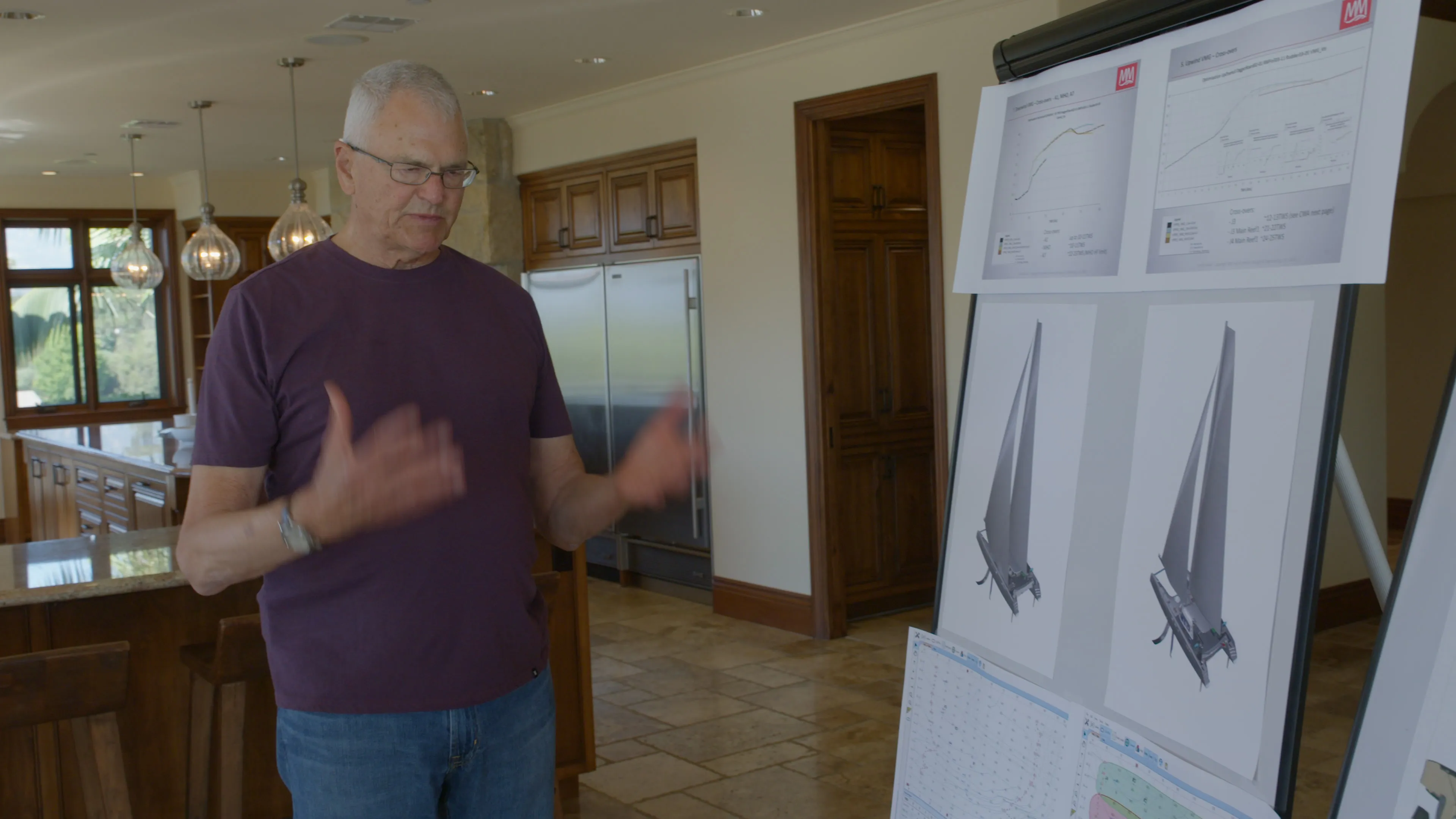
Over dinner at an Italian restaurant in Sarasota, Pat Benz, Pete Melvin and Ferdinand van West, one of the engineers, agree to start again, with no inherited limitations.
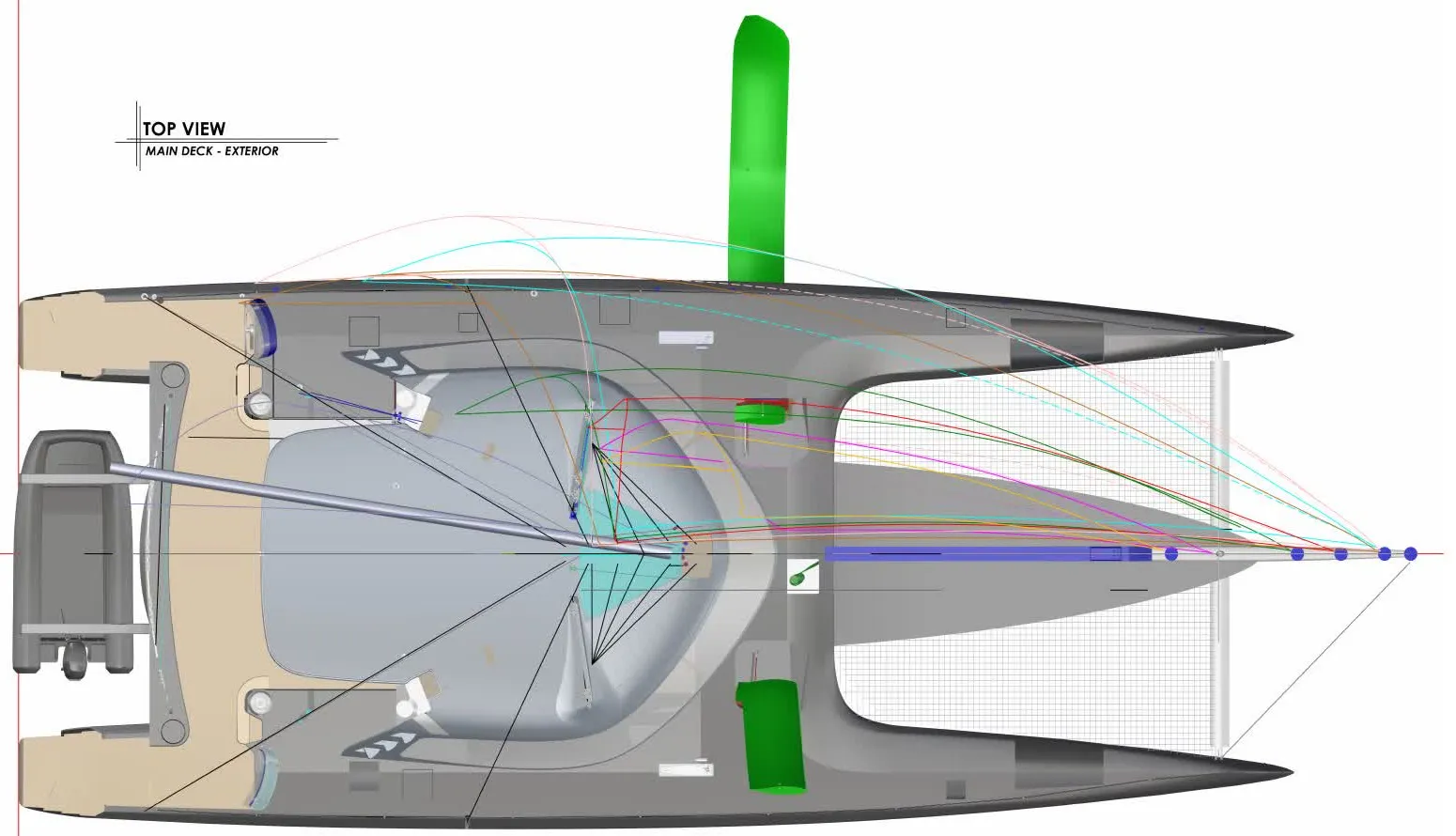
Three years and thousands of simulations later, the PB72 design is fixed: partial lift becomes full flight.
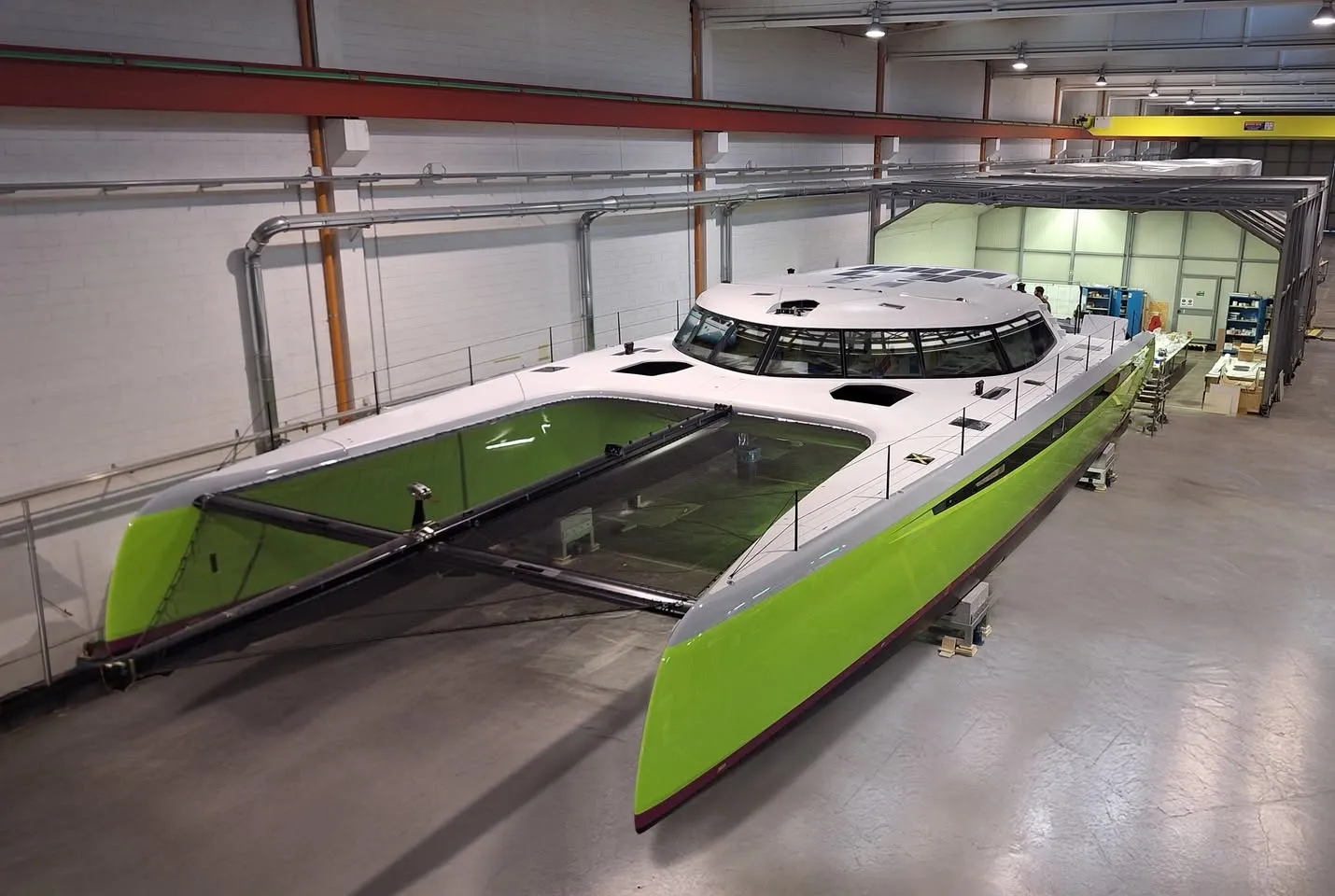
Persico Marine, builders of America’s Cup challengers, laminate the carbon structure from PB72’s own molds.
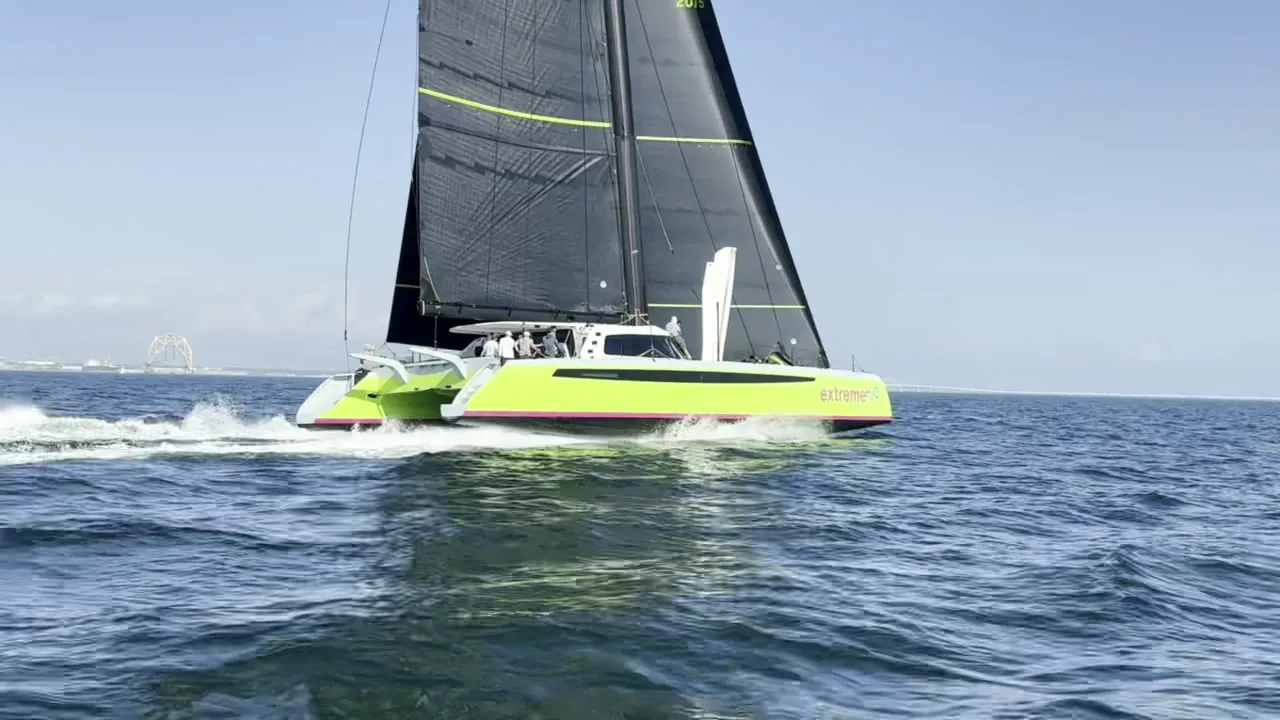
Sea trials begin. With the foils trimmed by hand, she reaches 27 knots in 12 to 13 knots of wind on her first day on the foils.
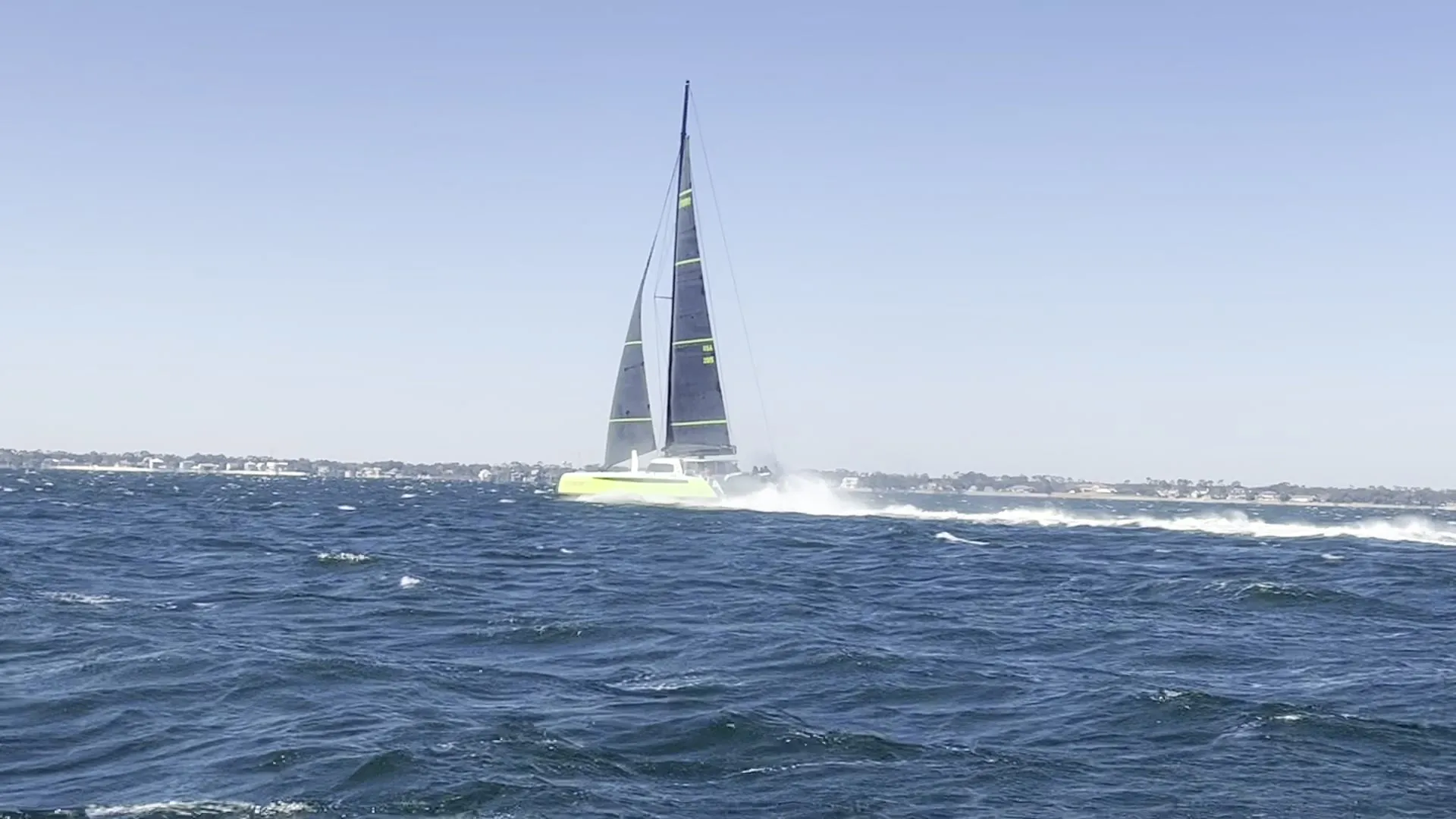
Los Angeles to Honolulu, 2,225 nautical miles. The race PB72 was designed for.
Partners
The data of the first Extreme H2O, a decade of foiling knowledge from America’s Cup designers, and the yard that builds Cup challengers. All combined in one yacht.
Naval architecture & engineering

Newport Beach, California. Designers of America’s Cup yachts and some of the world’s fastest catamarans.
Lead designer

Ferdinand van West’s practice. He led PB72’s design from the first simulations to her sea trials.
Builder

Bergamo, Italy. Composite specialists and builders of America’s Cup challengers, including Luna Rossa.
Mast & rig

Auckland, New Zealand. Designers and builders of PB72’s high-aspect rig and 32-metre carbon mast.
Flight-control engineering

Designing PB72’s flight-control system with the engineers behind back-to-back America’s Cup victories.
Sails
Ventura, California. The world’s leading sailmaker, behind PB72’s sail plan and the simulations that sailed her before she was built.
Commissioning & sea trials

The New York Yacht Club’s America’s Cup team, working with Ferdinand van West on PB72’s commissioning and sea trials.
Enquire
PB72 is in her sea-trial phase. We are talking now with the partners who will help complete it, and with the owners and guests who want to be first aboard when racing programs, experiences and charter begin.
Extreme H2O · Foiling ocean catamaran · Technical specification
Morrelli & Melvin · GA PB72_001 Rev A · Persico Marine build spec
Velocity prediction program, partially validated in sea trials.
Figures from the Morrelli & Melvin general arrangement (PB72_001, Rev A, August 2022) and the Persico Marine build specification. Displacements are approximate as-built figures from Ferdinand van West (2026); righting moments are design estimates; performance figures are VPP predictions, calculated at the 20,280 kg design racing displacement.
Every cell is a predicted boat speed from the velocity prediction program. The circled cells are the targets PB72 has already hit in her first sea trials, with the foils still trimmed by hand. Each one came in on target.
| Wind angleTrue wind (kn) | 5 | 6 | 7 | 8 | 9 | 10 | 11 | 12 | 13 | 14 | 15 | 16 | 18 | 20 | 22 | 24 |
|---|---|---|---|---|---|---|---|---|---|---|---|---|---|---|---|---|
| 45° | 7.6 | 8.4 | 9.1 | 9.8 | 10.4 | 11.3 | 12.6 | 13.6 | 14.4 | 15.1 | 16.0 | 17.4 | 20.5 | 23.4 | 24.0 | 23.7 |
| 50° | 8.0 | 8.9 | 9.7 | 10.5 | 11.2 | 12.8 | 14.3 | 15.1 | 16.3 | 17.6 | 19.5 | 21.6 | 27.1 | 27.5 | 27.0 | 26.5 |
| 55° | 8.4 | 9.3 | 10.2 | 11.2 | 12.2 | 14.2 | 15.7 | 17.0 | 18.8 | 20.8 | 23.4 | 27.6 | 30.1 | 30.2 | 29.5 | 28.9 |
| 60° | 8.8 | 9.7 | 10.7 | 11.8 | 13.2 | 15.3 | 17.1 | 19.3 | 21.5 | 26.1 | 28.6 | 30.2 | 32.4 | 32.3 | 31.6 | 30.9 |
| 65° | 9.1 | 10.1 | 11.2 | 12.3 | 14.3 | 16.4 | 19.1 | 21.5 | 26.1 | 29.0 | 30.8 | 32.2 | 34.3 | 34.2 | 33.4 | 32.4 |
| 70° | 9.3 | 10.4 | 11.5 | 12.7 | 14.9 | 17.9 | 20.9 | 24.1 | 28.6 | 30.8 | 32.4 | 33.8 | 35.8 | 35.7 | 34.8 | 32.3 |
| 75° | 9.5 | 10.6 | 11.8 | 13.1 | 15.4 | 19.4 | 22.6 | 27.3 | 30.2 | 32.2 | 33.7 | 35.1 | 37.1 | 37.1 | 36.2 | 34.0 |
| 80° | 9.7 | 11.0 | 12.3 | 13.9 | 15.8 | 20.6 | 25.1 | 28.7 | 31.4 | 33.2 | 34.7 | 36.1 | 38.1 | 38.2 | 37.3 | 36.2 |
| 85° | 9.8 | 11.2 | 12.6 | 14.2 | 16.2 | 21.3 | 26.9 | 29.8 | 32.2 | 34.0 | 35.5 | 36.9 | 39.0 | 39.1 | 38.3 | 37.5 |
| 90° | 9.9 | 11.3 | 12.7 | 14.4 | 16.4 | 21.5 | 27.7 | 31.5 | 33.5 | 35.1 | 36.3 | 37.5 | 39.6 | 39.8 | 39.1 | 38.7 |
| 95° | 9.9 | 11.3 | 12.8 | 14.4 | 16.5 | 21.0 | 28.7 | 31.7 | 33.9 | 35.5 | 36.8 | 37.9 | 40.0 | 40.3 | 39.8 | 39.5 |
| 100° | 9.9 | 11.3 | 12.7 | 14.2 | 16.3 | 22.3 | 28.8 | 31.7 | 34.2 | 35.8 | 37.0 | 38.1 | 40.3 | 40.6 | 40.3 | 40.0 |
| 105° | 9.8 | 11.1 | 12.5 | 14.0 | 15.7 | 21.0 | 28.3 | 31.4 | 34.0 | 35.8 | 37.1 | 38.2 | 40.3 | 40.7 | 40.5 | 40.3 |
| 110° | 9.7 | 10.9 | 12.2 | 13.6 | 15.1 | 17.7 | 26.8 | 31.0 | 33.3 | 35.5 | 37.0 | 38.2 | 40.2 | 40.7 | 40.6 | 40.4 |
| 115° | 9.5 | 10.6 | 11.8 | 13.1 | 14.5 | 16.5 | 19.9 | 30.0 | 32.6 | 34.8 | 36.6 | 37.9 | 40.0 | 40.3 | 40.4 | 40.1 |
| 120° | 9.2 | 10.3 | 11.4 | 12.5 | 13.7 | 14.9 | 17.4 | 25.8 | 31.8 | 34.0 | 35.6 | 37.4 | 39.6 | 40.0 | 40.0 | 39.6 |
| 125° | 8.9 | 9.9 | 10.8 | 11.6 | 12.4 | 13.5 | 14.7 | 16.3 | 29.7 | 32.9 | 34.9 | 36.4 | 39.0 | 39.6 | 39.6 | 39.1 |
| 130° | 8.5 | 9.4 | 10.0 | 10.8 | 11.9 | 13.1 | 14.3 | 15.5 | 17.1 | 18.0 | 33.4 | 35.4 | 38.1 | 38.9 | 39.1 | 38.6 |
| 135° | 8.2 | 8.7 | 9.5 | 10.5 | 11.5 | 12.6 | 13.7 | 14.8 | 16.2 | 17.3 | 18.4 | 20.0 | 37.0 | 38.0 | 38.2 | 37.7 |
| 140° | 7.6 | 8.2 | 9.1 | 9.9 | 10.9 | 11.9 | 12.9 | 14.0 | 15.2 | 16.4 | 17.7 | 19.1 | 22.1 | 35.4 | 30.7 | 35.0 |
Predicted speeds from the velocity prediction program. Sea-trial targets achieved with manual foil trim; the automatic flight-control system comes online after calibration.
Every circled target was reached with the boat about 1.2 tonnes heavier than the weight the predictions assume.
Thank you
Thank you for your interest in Extreme H2O. A member of the team will contact you shortly.